Social Isolation and FOMO
The fear of missing out – FOMO!
As we have just passed through the most sociable time in the yearly calendar, FOMO has never been more prevalent. Whether it be the family gathering we could not attend, the drink with friends that we were double booked for or simply the Christmas meal with loved ones that had to miss the fun. The ability to hear for some is the reason they miss these events.
Hearing loss reshapes the way people move through the world, often in ways that aren’t immediately visible. One of the most profound effects is on social connection. Conversation is the glue of human relationships, and when hearing becomes difficult, that glue can start to weaken. People with hearing loss may struggle to follow group discussions, miss punchlines, or misinterpret comments. Over time, these small moments accumulate, creating frustration, embarrassment, or FOMO. What begins as a simple communication challenge can gradually become a barrier to social participation.
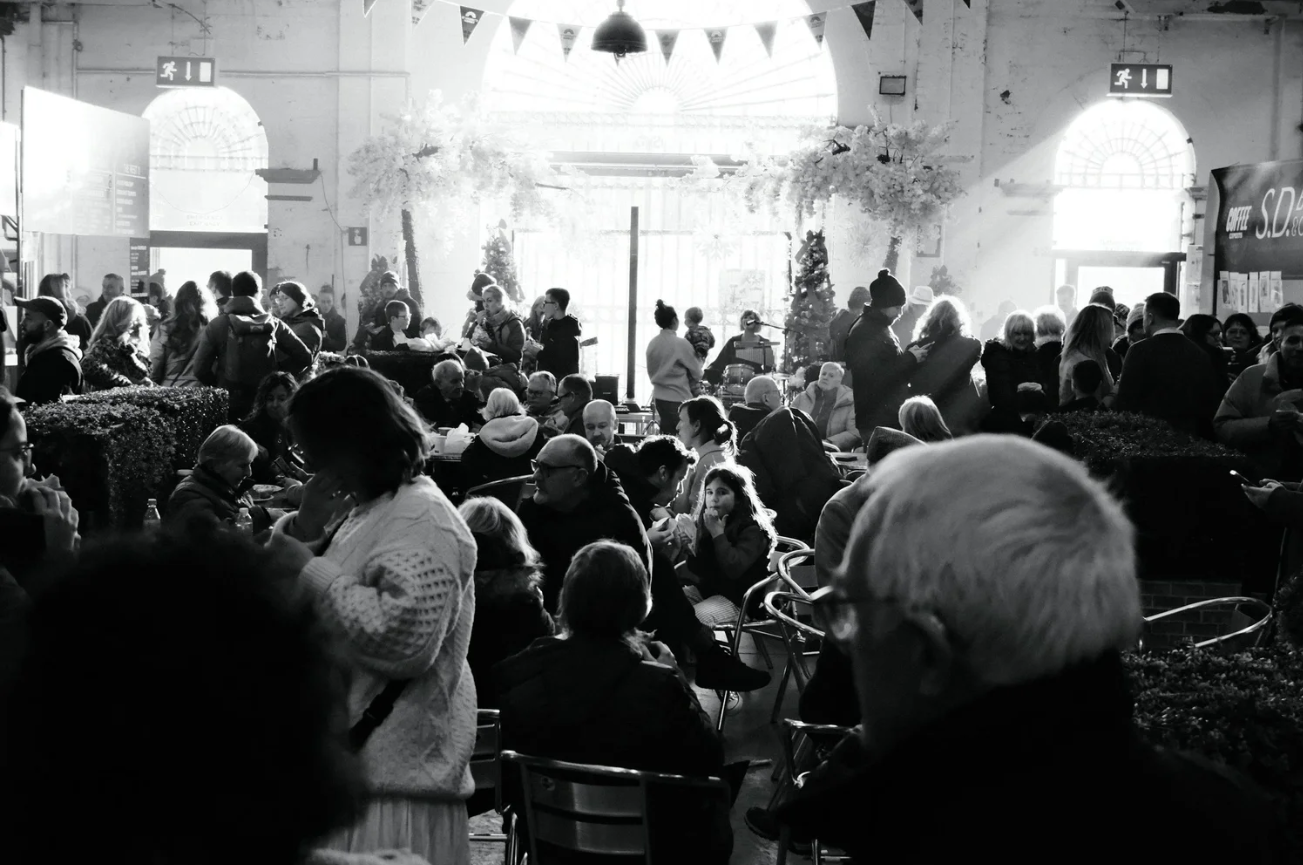
In busy environments—restaurants, family gatherings, community events—the challenge intensifies. Background noise competes with speech, making it exhausting to keep up. Many people with hearing loss describe the experience not as silence, but as overwhelming sound without clarity. The mental effort required to decode conversations can be draining, and this fatigue often leads individuals to withdraw from social situations altogether. Not because they don’t want to be there, but because being there becomes too difficult.
This withdrawal can slowly evolve into social isolation. When someone stops attending gatherings, avoids phone calls, or hesitates to meet friends, their world becomes smaller. Isolation isn’t just about being alone; it’s about feeling disconnected. Research consistently shows that social isolation is linked to poorer mental health, reduced cognitive resilience, and a diminished sense of wellbeing. Hearing loss, if unsupported, can quietly push people toward this path.
Yet the importance of staying socially connected cannot be overstated. Humans are wired for interaction. Shared laughter, casual conversations, and the simple presence of others provide emotional nourishment. Social gatherings—whether a weekly coffee meet-up, a community class, or a family dinner—offer structure, belonging, and joy. They remind people that they are part of something larger than themselves.
For individuals with hearing loss, maintaining these connections is not only possible but essential. Supportive environments make a tremendous difference. Friends and family who speak clearly, reduce background noise, or choose quieter venues help remove barriers. Assistive technologies, from modern hearing aids to captioning apps, can restore confidence and ease communication.
Most importantly, people with hearing loss benefit from knowing they are not alone. Many others share similar challenges, and connecting with peers through support groups or community organisations can be empowering. These spaces offer understanding, practical advice, and a sense of solidarity.
Hearing loss may change how someone engages socially, but it does not diminish their need for connection. With awareness, support, and inclusive communication, social life remains not only accessible but deeply fulfilling.
Take the steps to better connection by starting with a Auditory Health Assessment, to help our local community The Studio is offering a complimentary appointment to help those who identify with FOMO and know that the steps they may be taking towards social isolation and disconnection is reversed.